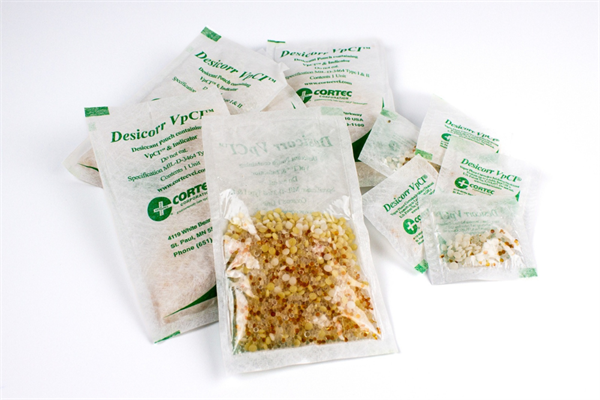
Advanced Vapor phase Corrosion Inhibitors (VpCI) offer an active molecular shield for sensitive machined metals during peak transit temperature swings.
As summer temperatures climb across the Northern Hemisphere, manufacturers face a severe threat to metal integrity: atmospheric corrosion. Dubbed rust season by industry specialists, the combination of high ambient heat and spiking humidity accelerates electrochemical oxidation, placing freshly machined metal components at extreme risk during storage and transit.
The primary vulnerability occurs during microclimate shifts. For example, precision components like brake discs moving from temperature-controlled quality control environments into humid warehouses or transport lorries experience rapid surface condensation. This moisture acts as a catalyst for oxidation. Long-distance haulage compounds this risk, exposing goods to aggressive day-and-night thermal cycles that trap moisture inside packaging.
Traditional moisture mitigation relies on passive desiccants to lower relative humidity. However, static absorption fails to protect metal surfaces from moisture already present before encapsulation, or if the desiccant reaches saturation during transit.
To bridge this critical protection gap, advanced dual-action systems like Desicorr® VpCI® Pouches combine premium desiccant properties with Vapor phase Corrosion Inhibitors. Rather than merely drying the air, these specialised pouches release protective conditioning vapours that diffuse through a breathable membrane, filling the enclosed packaging space.
This vaporised compound deposits a microscopic, monomolecular protective layer across all exposed metal surfaces—including intricate recesses and hard-to-reach cavities. This active shield effectively interrupts the electrochemical current required for rust to form, functioning reliably even within saturated, high-humidity environments.
Optimising protection requires precise volumetric dosing. The technology is structured around enclosure volume to ensure adequate vapour saturation:
- Micro-enclosures (28 to 140 L / 1 to 5 ft³): Protected via 1/6 Unit or 1 Unit pouches, absorbing 1.32g to 9.9g of moisture. These configurations feature integrated inspection windows, allowing quality control teams to monitor indicator spheres and identify saturation levels instantly.
- Bulk packets (560 to 1,120 L / 20 to 40 ft³): Managed via heavy-duty 4 Unit or 8 Unit non-windowed pouches, delivering high-capacity absorption (39.6g to 79.2g) alongside continuous VpCI vapour discharge.
To meet rigorous transit demands, upgraded high-strength seals prevent structural pouch failure, eliminating the risk of bead leakage onto sensitive mechanical components.