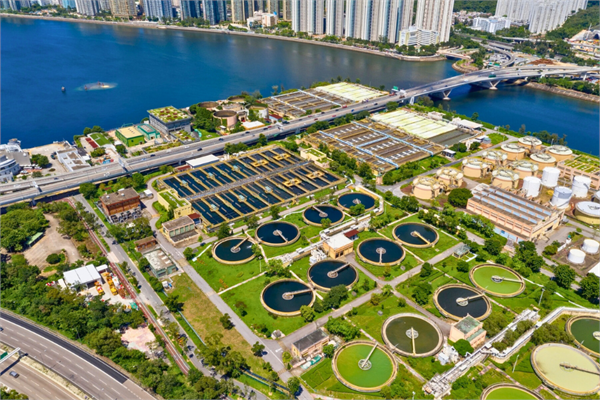
Surface treatment operations improve effluent quality and protect water resources through Cortec® microbial solutions.
The quality of drinking water and sanitation systems has a direct impact on human health, yet around 40% of countries still score below 50 on the Environmental Performance Index (EPI). For industries such as surface treatment, which often produce complex effluents, ensuring effective wastewater management is crucial—not only to comply with regulations but also to protect the ecosystems from which potable water is sourced.
Discharging untreated or poorly treated wastewater can deteriorate the quality of lakes, rivers, and other sources of drinking water. In surface finishing operations, temporary sites such as construction yards or industrial expansions may rely on on-site wastewater management to support staff, making effective treatment essential. Biological treatment processes—from simple lagoon systems to advanced sequencing batch reactors (SBR)—depend on beneficial microorganisms. These microbes break down pollutants into stable end products such as carbon dioxide, nitrogen gas, water, and biomass. System performance hinges on retention time, oxygen availability, and other factors, but challenges like BOD overloads, excessive foaming, or slow startups signal that the native microbial population cannot cope. This is where bioaugmentation becomes indispensable.
Surface treatment plants face diverse wastewater challenges, including high ammonia content, oily residues, and sludge accumulation. Tailored microbial blends offer precise solutions: BCP35™ or BCP50™ can accelerate the startup of new systems, while BIOBOOSTER SR™ digests accumulated sludge, reducing pumping costs. For high ammonia loads, BCP655™ microbes actively consume the excess nitrogen. These blends allow operators to customise treatment to their specific operational requirements, improving efficiency and ensuring regulatory compliance.
Across the globe, many regions still lack access to clean water and adequate sanitation. For surface treatment facilities, bioaugmentation not only helps meet discharge standards but also contributes to cleaner ecosystems by ensuring effluent is biologically treated before returning to natural water sources. As 2026 approaches, industry decision-makers are encouraged to explore bioaugmentation strategies to enhance wastewater treatment and support wider water quality goals.