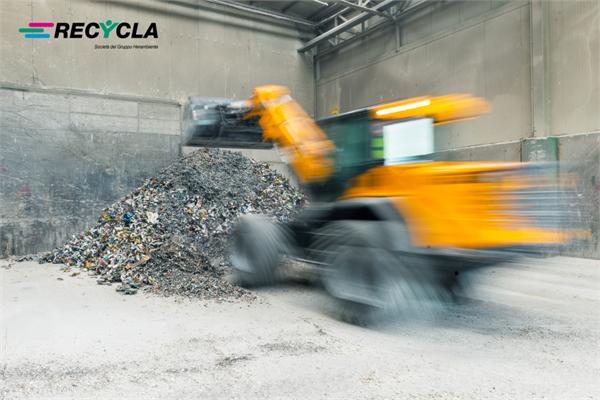
Recovering value from waste does not begin at the treatment plant, but in the production department where it is generated. This is where much of the challenge of the industrial circular economy lies: in the ability to separate waste streams correctly, engage operators and organise processes so that waste can become a resource.
This is demonstrated by the initiative launched by Trevisan - a company based in Veneto - providing contract services for heat treatment, shot blasting, and coating. With the support of Recycla, part of Gruppo Herambiente and specialising in integrated industrial waste management, Trevisan has reorganised the management of waste generated by its coating department.
The collaboration was driven by a shared goal to improve the efficiency of managing manufacturing waste and increase recovery opportunities and create value by improving the quality of waste streams at source. The project therefore began in the coating department, the company’s only production area that regularly generates hazardous waste subject to ADR regulations (Accord relatif au transport international des marchandises Dangereuses par Route), the European agreement governing the carriage of dangerous goods by road.
The challenges involved in managing these materials made the coating department the natural starting point for a wider reorganisation initiative. Through careful analysis of waste streams, employee engagement, and the introduction of dedicated procedures, Trevisan and Recycla have worked to establish the conditions for more structured, efficient, and sustainable waste management. Their experience shows that the value of a recovery process is created long before the material reaches a treatment plant.
Integrating waste management into the production process
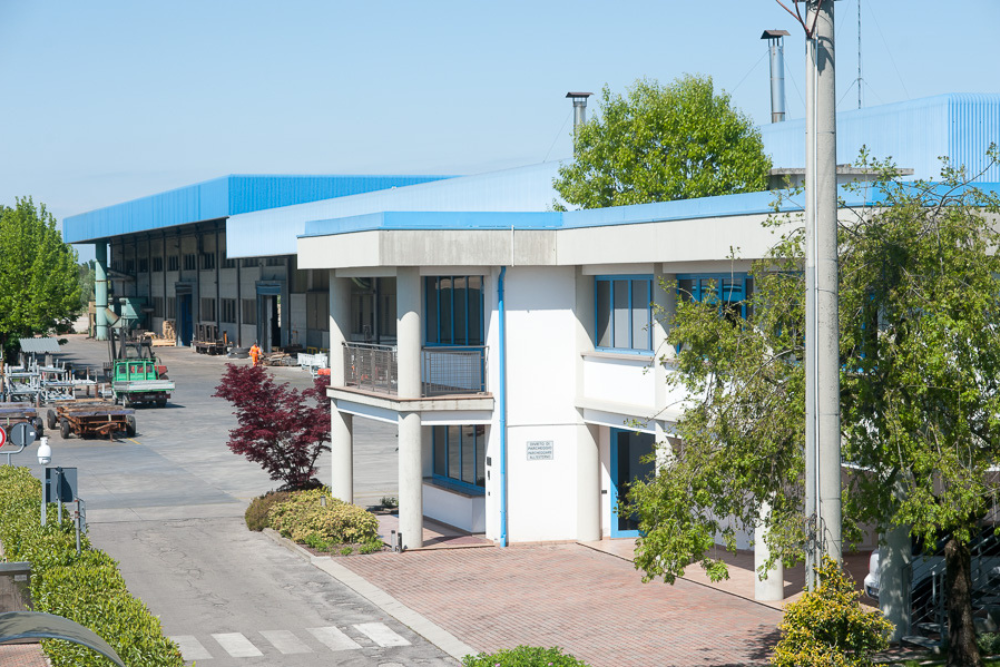 Trevisan HQ
The partnership between the two companies began around four years ago, when Trevisan recognised the need to develop its environmental management practices in step with an evolving regulatory framework.
Recycla thus became the company’s partner not only in determining the final destination of waste, but also in organising its management within the facility.
This reflects the principle underpinning Recycla’s ECOL360° industrial waste management service: to recover value from waste, it is first necessary to understand it, and understanding it means starting with the process that generates it.
At Trevisan, the initial focus was on organising waste storage and the different waste streams. Dedicated, clearly labelled containers, organised storage in designated areas, staff training, and prompt reporting of any non-compliance have gradually made waste management more structured and better integrated into everyday operations.
For those working in the coatings industry, this is far from a minor consideration. Liquid paints and powder coatings, solvent- and water-based products, sludges, formulation residues, expired raw materials, and contaminated packaging have different characteristics and require specific management routes. Source separation makes it possible to monitor the composition of the various waste streams and to establish the conditions for subsequent treatment and recovery right from the outset. It is precisely on this principle that Recycla has built its long-standing specialisation in waste generated by coating processes.
From the paint booth to a new destination
The process that begins in Trevisan’s coating department continues at Recycla’s facilities. For residues with suitable characteristics that cannot be recovered as materials, Recycla has developed processes to convert them into alternative fuels, primarily for use in European cement factories and “hard-to-abate” industries, where these fuels can replace conventional fossil fuels.
Waste from coating operations is particularly suitable for this form of recovery because of its physicochemical properties and, in some cases, its high calorific value.
How does this process work? Once collected, the waste is analysed and specifically processed at Recycla’s plants, while its in-house laboratory carries out quality controls and develops formulations tailored to end users’ requirements.
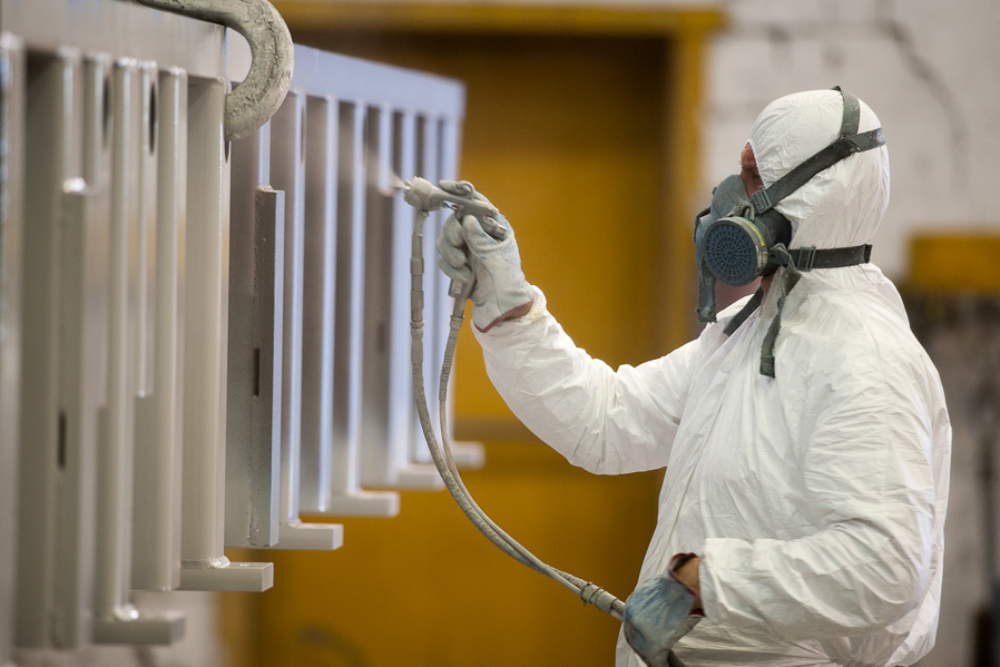 Recycla | Trevisan | Coating
This creates continuity between what happens on the production line and what takes place downstream. Properly organising waste within the facility is not simply a matter of meeting regulatory obligations: it also helps preserve its properties and, where technically feasible, increase recovery opportunities. For Trevisan, this approach connects the residues left by the coating process to a wider recovery pathway. The company is working on two complementary fronts: progressively reducing emissions associated with the solvent component of coatings and maximising the proportion of waste sent for recovery.
When recovery becomes measurable
The figures also illustrate the impact of the collaboration. In 2025, 100% of the waste delivered by Trevisan to Recycla was sent for recovery, contributing to savings of 4 TEP (tonnes of oil equivalent) in fossil fuel and the reuse of 468 kg of packaging.
Each year, Recycla provides customers with the results of its waste management service through the ECOL360° Sustainability Performance Report, which monitors four indicators. The latest indicator, introduced in 2026, focuses on training and measures the hours provided to clients' staff, including the numbers of hours delivered in person.
For Trevisan, these figures are more than a record of what has been achieved. In 2025, the company embarked on a programme aimed at obtaining ISO 50001 and ISO 14064 certifications and publishing a Sustainability Report by 2027, which will also incorporate the environmental performance data provided by Recycla.
The circle thus closes where it began: in the coating department. Recovering value from waste depends on the technologies and expertise available downstream, but also on the decisions made at the very moment the waste is generated. Through ECOL360°, Recycla brings this approach directly into the production process, turning waste management from an activity carried out after coating into an integral part of how the company organises, monitors and improves its operations.