The German multinational, a leading manufacturer of braking systems and other safety systems and remanufacturing components for the railway sector, has integrated its cleaning department with a new automatic closed-loop system supplied by ILSA-MC. This modified alcohol-based solution has standardised the cleaning process, improved repeatability, reduced operating times, and enhanced environmental sustainability despite rising volumes.
For over a century, rail transport has been an essential part of Italy’s mobility system. With a network comprising over 16,700 km of railway lines, around 200 km of metro lines, and 400 km of tram infrastructure, the sector plays a strategic role in daily commuting and in medium- and long-distance travel. The green transition and the growing focus on reducing energy consumption and emissions are now making rail transport even more central to sustainable mobility policies. Thanks to its high energy efficiency and lower environmental impact compared with road and air transport, rail is one of the most sustainable travel options, second only to active modes of transport such as walking and cycling.
In such a vast and diverse industry, numerous companies help ensure that rail vehicles, from high-speed trains to urban trams, operate safely and efficiently. One of the longest-standing and most significant of these is Knorr-Bremse, a German multinational founded in 1905, which has been contributing to the mobility of millions of people around the world every day for over 120 years. Its Italian plant in Campi Bisenzio (Florence) is one of Europe’s leading hubs for the design, manufacture, and maintenance of pneumatic, electro-pneumatic, and electro-hydraulic braking systems for rail, metro, and tram vehicles. Recently, it has installed a closed-loop cleaning system operating under vacuum and using modified alcohol, designed and supplied by ILSA-MC (San Pietro in Casale, Bologna, Italy), to treat components for remanufacturing. The aim is twofold: to reduce operating costs and further improve environmental sustainability.
Knorr-Bremse, a long-established name in the railway industry
Founded in 1905, Knorr-Bremse is a German multinational headquartered in Munich. Today, with around 100 sites in 30 countries and over 30,000 employees, it is a world leader in braking systems for the railway and industrial vehicle sectors: its core business is evident in its name, as Bremse means ‘brake’ in German. 7% of its annual turnover of around €8 billion is invested in research and development at its dedicated centre in Munich, reflecting a strong focus on technological innovation and sustainability.
In Italy, the Campi Bisenzio site, which has been serving the railway industry since 1990, specialises in designing, manufacturing, and integrating pneumatic, electro-pneumatic, and electro-hydraulic braking systems for rail, metro, and tram vehicles. Its portfolio also includes air conditioning systems, automatic doors, on-board supervision and control systems, video surveillance devices, inverters, auxiliary units, battery chargers, converters, driver assistance systems, and closed-loop hydraulic solutions. “We manufacture products for original equipment, such as tanks for sanitary systems, door mechanisms, and control units for on-board sanitation systems. However, component remanufacturing accounts for 80% of our business,” says Alessandro Bartoloni, KPS coordinator at Knorr-Bremse.
A railway product portfolio differs significantly from an automotive one: in the latter, a few part types are produced in the millions, whereas in the former, there are thousands of different products, each manufactured in limited volumes and often highly customised. “Our production is not based on large batches, but on an extremely wide variety,” explains Giulio Lastrucci, shop floor and manufacturing manager at Knorr-Bremse. “The same product can be modified to meet specific customer requirements, resulting in numerous part numbers derived from a single family of components. This makes it very difficult to insource all remanufacturing activities in a single plant, as each product has its own requirements and characteristics. We are highly specialised in some of them, and we rely on the entire Knorr-Bremse supply chain to treat other parts: at our site, we have selected the products most commonly used in the Italian railway sector.” The components handled at this plant include brake calipers for regional trains and metros, pneumatic panels, brake system distributors, control valves, compressed air generation units, and hydraulic calipers for light rail trams, which require shorter braking distances.
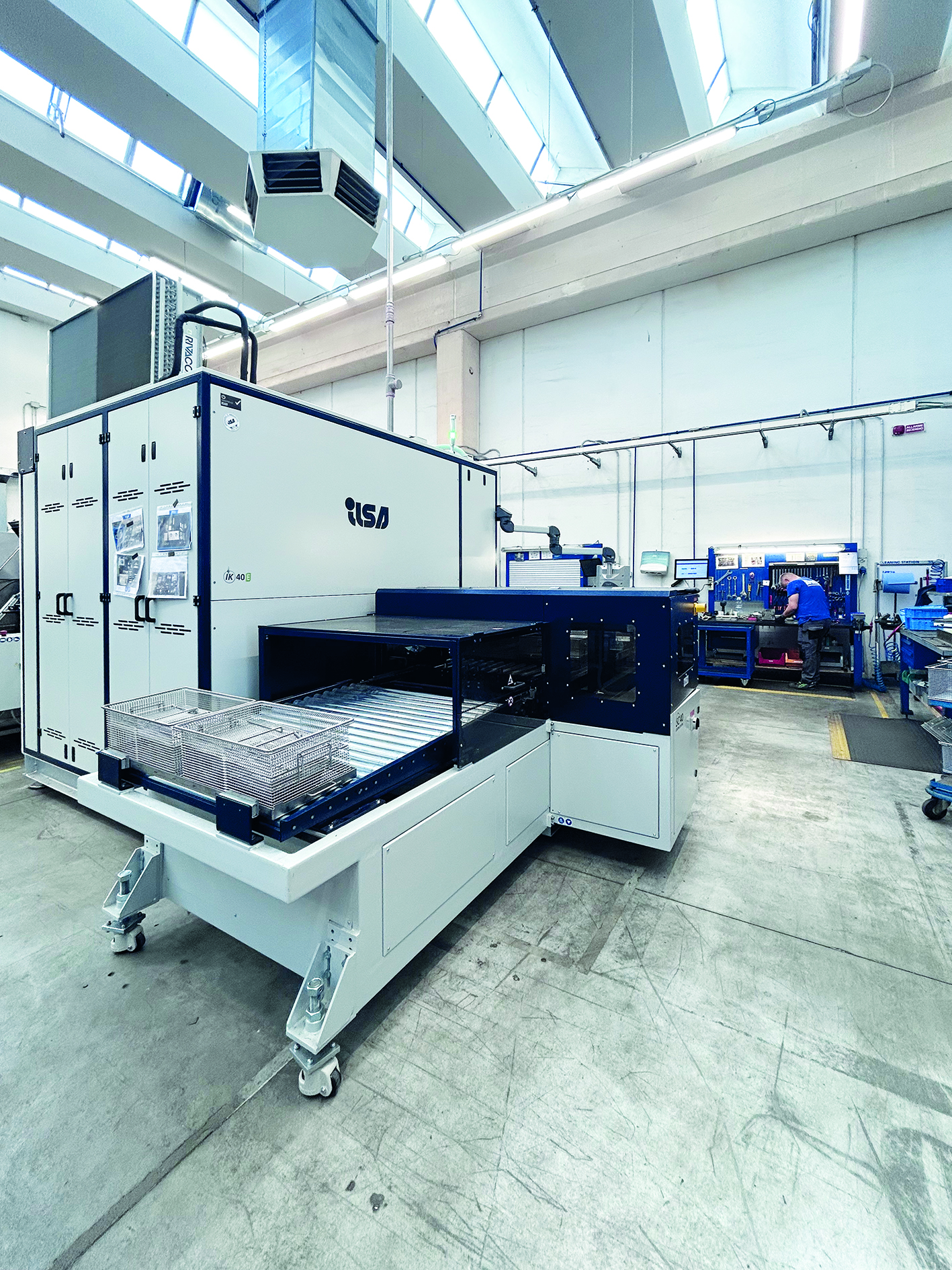 The closed-loop cleaning system operating under vacuum and using modified alcohol, designed and supplied by ILSA-MC. ©Knorr-Bremse
Cleaning as part of component remanufacturing
The routine maintenance and major repair activities carried out at the Campi Bisenzio site are crucial to Knorr-Bremse’s supply chain. Indeed, trains have very long lifespans, often lasting thirty to forty years. Throughout this period, components are overhauled several times, as they are high-value products characterised by specific technical requirements, manufactured in small batches, and often custom-designed for a particular vehicle. As one of the first process steps upon part receipt, cleaning plays a key role in this.
“The cleaning phase marks the product’s entry into our maintenance chain. It should also be noted that a caliper that has been operating on a train for ten years, for example, is almost unrecognisable by the time it arrives for treatment. We started with just a few cleaning tanks and now have 14 in total, including both manual and semi-automatic ones,” explains Bartoloni. “Over time, it became clear that pre-control cleaning of components needed to be automated, particularly for small valves for brake panels. These parts, which are not directly exposed to the outside environment, are less contaminated than calipers but are mainly soiled with grease and functional oils.”
Knorr-Bremse’s growing specialisation in the maintenance of these valves has made it a centre of excellence, also handling components from Switzerland and the Netherlands, leading to higher volumes. This growth prompted the company to install a new automatic cleaning machine, with ILSA-MC as the ideal partner. The system, installed in January 2026, was seamlessly integrated with the site’s other cleaning plants.
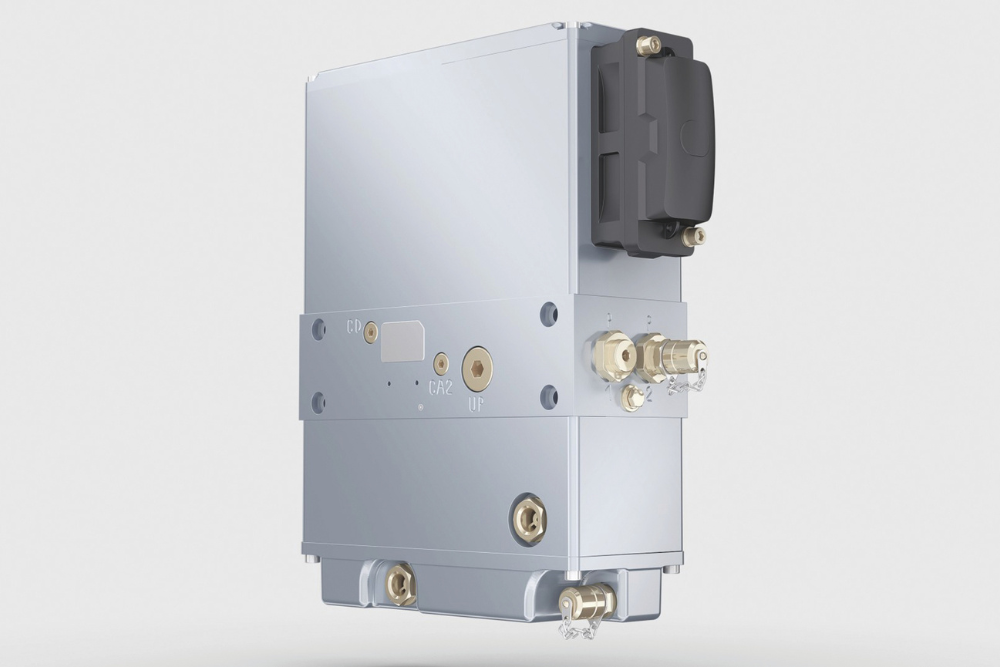 The multinational Knorr-Bremse is a global leader in braking systems for the railway sector and for industrial vehicles. ©Knorr-Bremse
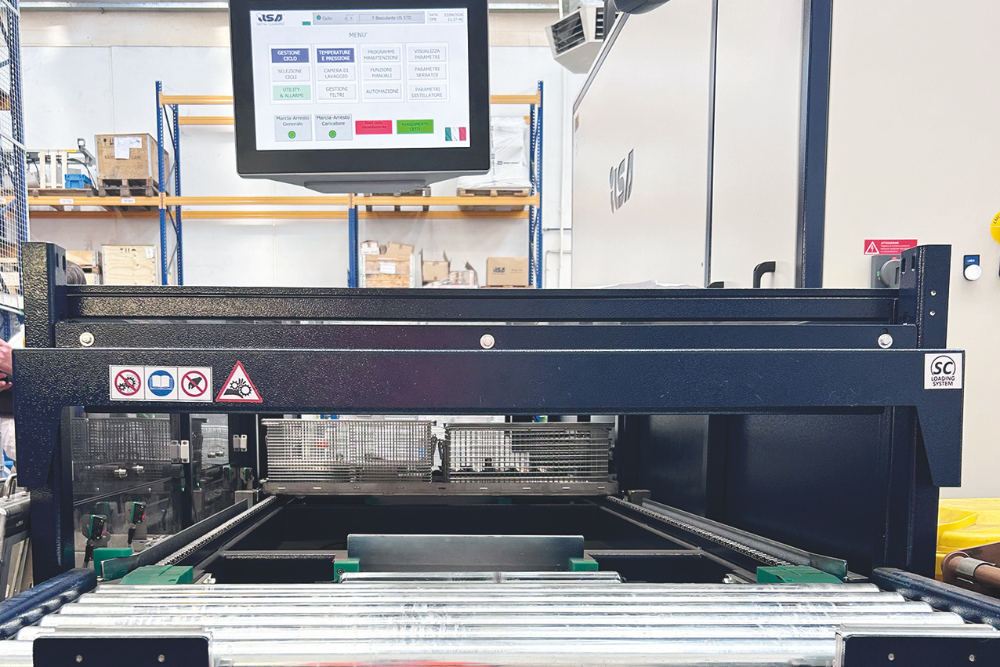 The system can handle 2 baskets per cycle and has a storage buffer with 5 slots at the input and 5 at the output, totalling 10 baskets per side. ©ipcm
The ILSA-MC cleaning plant
The remanufacturing process begins with the valves being dismantled and stripped of all rubber parts, retaining only the recoverable metal components. The material is then analysed to assess its integrity and suitability for recovery. Suitable parts are sent to the cleaning area.
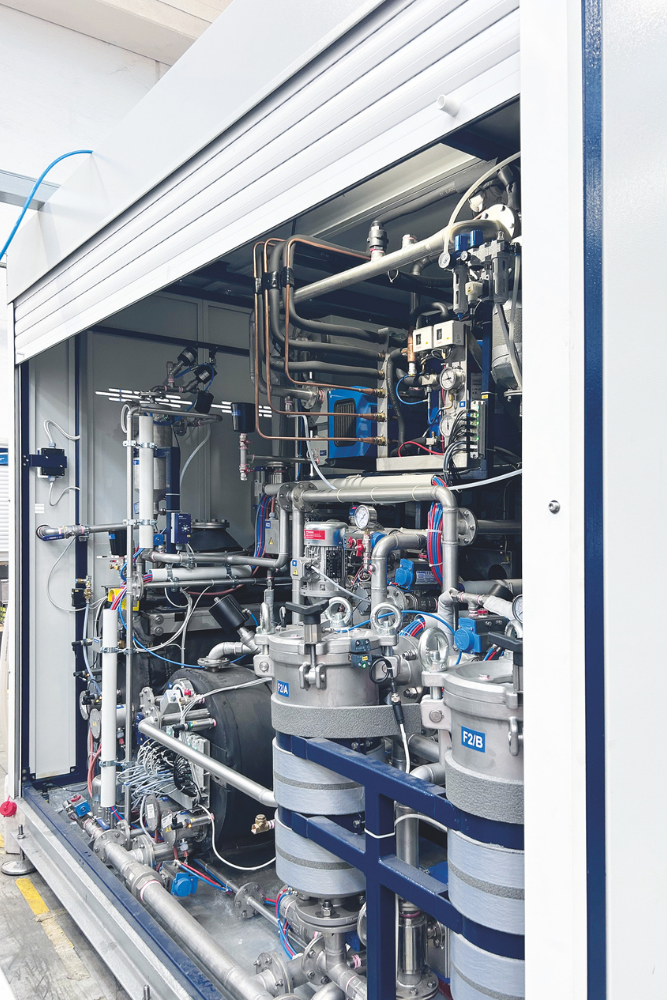 The inside of the washing machine. ©ipcm
The new plant installed is a closed-loop vacuum machine using modified alcohol, model IK40, with an SC40 system for automatic loading and unloading. It can handle 2 baskets per cycle and has a storage buffer with 5 slots at the input and 5 at the output, totalling 10 baskets per side. “Our solution incorporates an ultrasonic system from Weber Ultrasonics, 2 fine filters for greater autonomy in managing solid contaminants, and 2 cartridge filters to trap even the finest solid particles, thereby ensuring a high level of cleanliness in both the solvent and the parts being treated," explains Veronica Pancaldi, technical sales specialist at ILSA-MC. “The plant is also equipped with a plug-and-play system using air heat exchange for the refrigeration unit, which avoids the need for external chillers or connections to the mains water supply. Like all ILSA-MC plants, this is based on the principle of continuous distillation: the solvent in the main tank is constantly distilled and filtered, ensuring it remains clean and ready for subsequent cycles. This aspect is fundamental to preventing contamination among components belonging to different families and to ensuring the process’s quality and stability. The absence of water and reduced consumption of cleaning liquids also help to keep operating costs down and improve environmental sustainability.”
Thanks to vacuum operation, the components leave the machine completely dry and immediately ready for the next stages. Automatic loading and unloading reduce the time between cycles, maximising productivity. This is further supported by a storage buffer consisting of 5 trays, each containing 2 baskets, from which each load can be assigned to a different cleaning cycle depending on the components’ specifications.
The benefits of a closed-loop cleaning system
Installed in January 2026, the new solution has effectively met Knorr-Bremse’s production requirements, contributing to a more controlled, standardised, and repeatable remanufacturing process and a significant reduction in manual tasks and component handling. “We chose this technology even though we were aware of its limitations within our production cycle,” Lastrucci points out. “We had to identify which products could be treated with solvents and which should continue to be treated using the traditional cycle: this approach enabled us to implement innovative technology without disrupting established processes, integrating it in a targeted manner where it could deliver the greatest value. ILSA-MC’s machine specifically creates consistent and repeatable conditions for cleaning components that must subsequently be reassembled as new.” In the first few months of use, Knorr-Bremse worked to optimise process parameters and develop programmes for different levels of contamination and component types. “We will continue to test and fine-tune this technology to maximise its potential.”