Italian coating contractor Painter has achieved consistent industrial growth through continued investments in cataphoresis, powder coating, and high-performance pre-treatment. With two factories, advanced equipment, Qualisteelcoat-certified cycles, and high energy efficiency, it is positioned as a reliable partner for industrial applications with high technical and operational value.
In the Italian contract coating industry, few companies manage to combine growth, strategy, technological consistency, competitiveness, and comprehensive services over the long term. Painter, a company based in Dosson, in the province of Treviso (Italy), and run by the Piccoli family, is a prime example of how targeted, continuous, and technically sound investments can turn a small business into an industrial partner capable of offering complete, diversified, certifiable, and high-added-value finishing services.
Founded by Stefano Piccoli in 1993 as a small workshop with a coating booth, Painter has indeed undergone constant development over the years, marked by plant and process choices always geared towards product quality and operational reliability. The move in 2000 to the premises in Via Al Bigonzo in Dosson, now the headquarters housing the cataphoresis line, and the subsequent reorganisation of the powder coating department in a new building in Via Pantaleoni laid the foundations for its structured growth. This culminated first with the adoption of a cataphoresis line in 2015 and, more recently, with the installation of a new, advanced automatic powder coating plant supplied by Euroimpianti (Valeggio sul Mincio, Verona, Italy), equipped with a state-of-the-art powder application system from Gema Europe (Trezzano sul Naviglio, Milan, Italy) and a robust, flexible multi-metal pre-treatment cycle developed in cooperation with NoxorSokem (Pordenone, Italy).
Currently, Painter operates 2 sites, employs approximately 45 people, and offers a comprehensive range finishing services – powder coating, liquid coating, and cataphoresis (both as individual treatments and in Qualisteelcoat-certified combined cycles), as well as ancillary processes such as sandblasting, sealing, and masking – that meet the needs of highly diverse and demanding sectors, including agriculture, earthmoving machinery, industrial, railway, military, and naval.
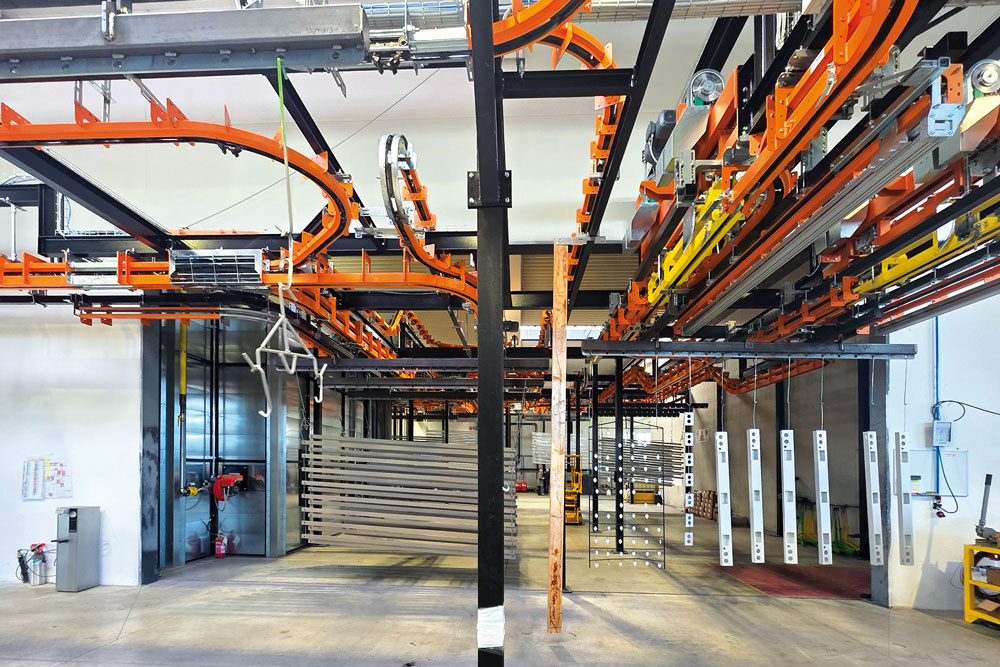 The loading station with the power&free conveyor featuring concentric loops, enabling the management of different coating cycles within the same production day without compromising quality or productivity. © ipcm®
The cataphoresis line: meticulous optimisation to enhance aesthetic results
Cataphoresis is one of the technological pillars of Painter’s offering, and its implementation was the first step in the company’s development. Operational since 2015, this plant is designed to treat parts up to 4 metres in length, 2.5 metres in depth, and over 1 metre in width. “About ten years ago, following an increase in customer demand for cataphoresis treatments and noting the absence of other suppliers in the Treviso area, we decided to upgrade our existing coating plant, which already had a tank pre-treatment system, by adding the tanks required for the cataphoresis process,” explains Eleonora Piccoli, the general manager of Painter. “It was a smart business decision, ahead of its time, since today cataphoresis is considered the treatment of choice for high-quality coating cycles.”
“Our cataphoresis tank has considerable dimensions: it can coat parts measuring 4 metres in length, 2.5 metres in depth, and 1.2 metres in width,” adds Stefano Piccoli, the company’s founder and sole director. “When designing our new automatic powder coating system, we asked Euroimpianti for a plant of the same size so that we could transfer the parts directly from one line to the other. However, our cataphoresis system can also be used for aesthetic finishes without the need for a powder or liquid paint layer.”
As is well known, cataphoresis requires meticulous and constant maintenance to give the best results, and the tank filtration system is a key part of this. Five years ago, Painter began a collaboration with Condoroil Stainless (Casale Litta, Varese) to optimise the filtration system and replace key components essential to process stability. The intervention involved the supply of 8’’ Kratos spiral membranes for UF, 25- and 50-micron bag filters, as well as the replacement of the dialysis cells with Crono TB tubular anodic cells with a “closed-top” design for pressurised cells, manufactured by Condoroil Stainless using polymeric membranes with low deformability, low electrical resistance, and long service life.
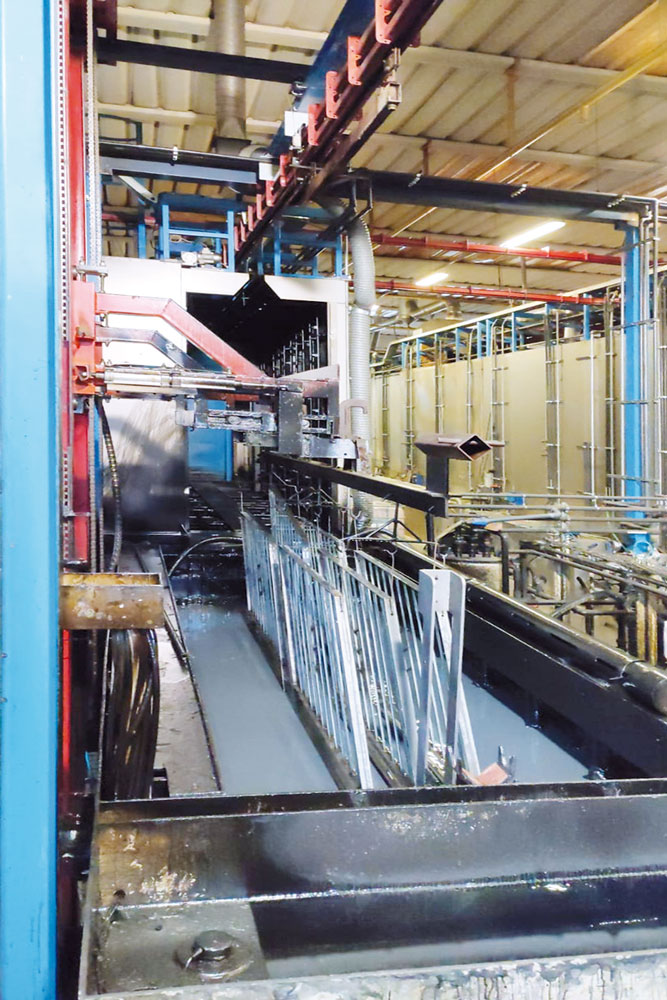 The cataphoresis tank. © Painter
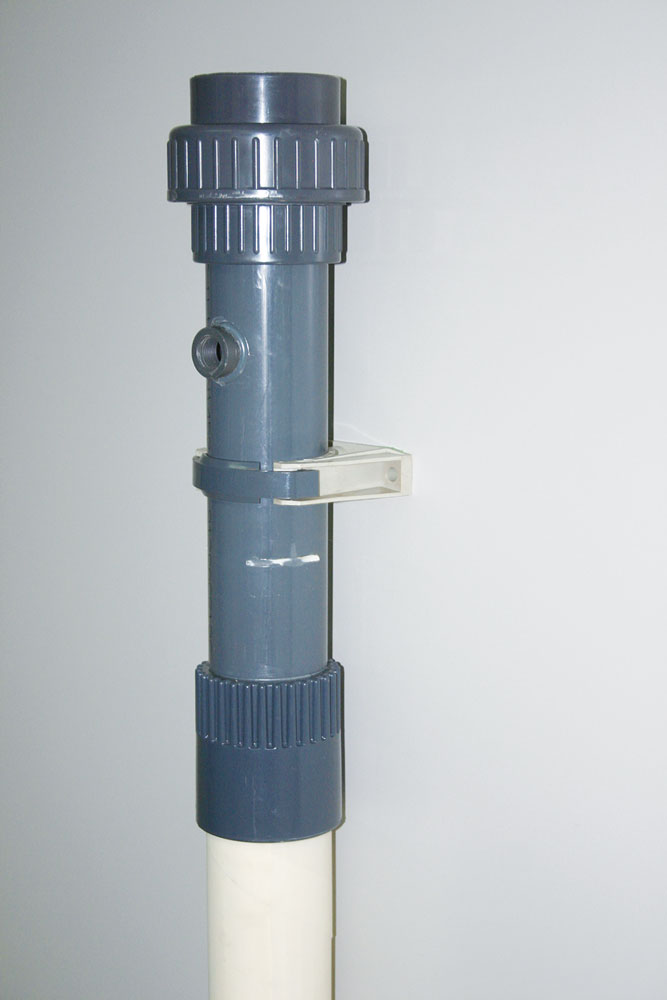 One of the Crono TB tubular anodic cells supplied by Condoroil Stainless. © Condoroil Stainless
“The results were clear: thanks to their large surface area, which ensures a high permeate flow rate with very low operating costs and high energy efficiency, the membranes’ durability increased significantly from a few months to over a year of continuous operation, and the aesthetic quality of the cataphoretic film improved considerably. We now obtain homogeneous surfaces, free of mapping, halos, drips, or visual defects, with consistent results that are maintained both throughout the day and in the medium to long term,” explains Enrico Pontoglio, quality manager at Painter. “Process-wise, the new filtration system has made the tank more stable and less affected by pH variations, pollution, or changes in the substrates being treated. Flocculation has also been drastically reduced, further improving the plant’s reliability.”
An industrial strategy based on departmental specialisation
“Before installing the new automatic powder coating system, which has been in operation since last September, we already had 3 powder application lines, each designed for a specific type of product, but all supplied by Euroimpianti,” says Eleonora Piccoli. “These are a static step-by-step system (EuroCar3, 8,000x2,500x3,200h cm) for finishing large metalworking structures, an automatic line (Euro90, 3,000x850x1,800h cm) for coating small parts and mass-produced items, and a department treating exclusively components already subjected to cataphoresis, especially parts for earth-moving machinery, forklift cabs, and accessories. Over the years, this organisation has enabled us to refine specific skills and effectively manage different production flows. However, increasing volumes, growing complexity, and the need to further improve overall efficiency and quality prompted us to rethink our plant layout.”
Painter’s goal was to consolidate strategic processes and improve production flexibility, surface quality, process repeatability, and energy management, thus laying the foundations for maintaining the company’s competitiveness for the next ten to fifteen years. The heart of Painter’s recent investment was the new powder coating plant designed and built by Euroimpianti, its long-standing partner for all coating lines, and the application system from Gema. This line can coat parts up to 1,000 kg and with maximum dimensions of 4,000x2,500x1,200h cm, the same as the cataphoresis one, which first treats many of the parts subsequently coated on this system.
The pre-treatment cycle: an informed technical choice
One of the most significant elements of this investment project was undoubtedly the chemical pre-treatment cycle. In a context in which many contractors have adopted nanotechnology solutions for their ease of management, Painter deliberately chose a different path, opting for a zinc-nickel-manganese tricationic phosphating system. The pre-treatment cycle, developed in collaboration with NoxorSokem, consists of the following stages: degreasing, 3 intermediate rinses with mains water, zinc phosphate activation, tricationic phosphating, a further rinse with mains water, a rinse with demineralised water, and a no-rinse passivation step with chromium(III) salts. The passivation product is applied using Euroimpianti’s Nebula spraying system, which ensures the constant use of fresh product and full application control.
“From a technical point of view, the choice of tricationic phosphating responds to a precise rationale: Painter operates as a contractor and manages a wide variety of materials, geometries, and surface conditions. Carbon steels, electrolytically galvanised and hot-dip galvanised metals, and aluminium coexist daily on our production lines. In this scenario, the solidity of the surface conversion system becomes a critical factor,” comments Enrico Pontoglio, quality manager at Painter. “Tricationic phosphating offers greater tolerance to process variations, better conversion film uniformity, and, in our experience, superior corrosion resistance. It is no coincidence that we use the same pre-treatment concept on our cataphoresis line as well, ensuring technological consistency that translates into reliability and repeatability of results.”
“NoxorSokem recommended a low-nickel tricationic product to minimise issues related to operator and environmental safety,” adds Stefano Piccoli. “It also provided us with an automatic dosing system to facilitate line management, as well as with reliable and constant assistance, including from its laboratory.”
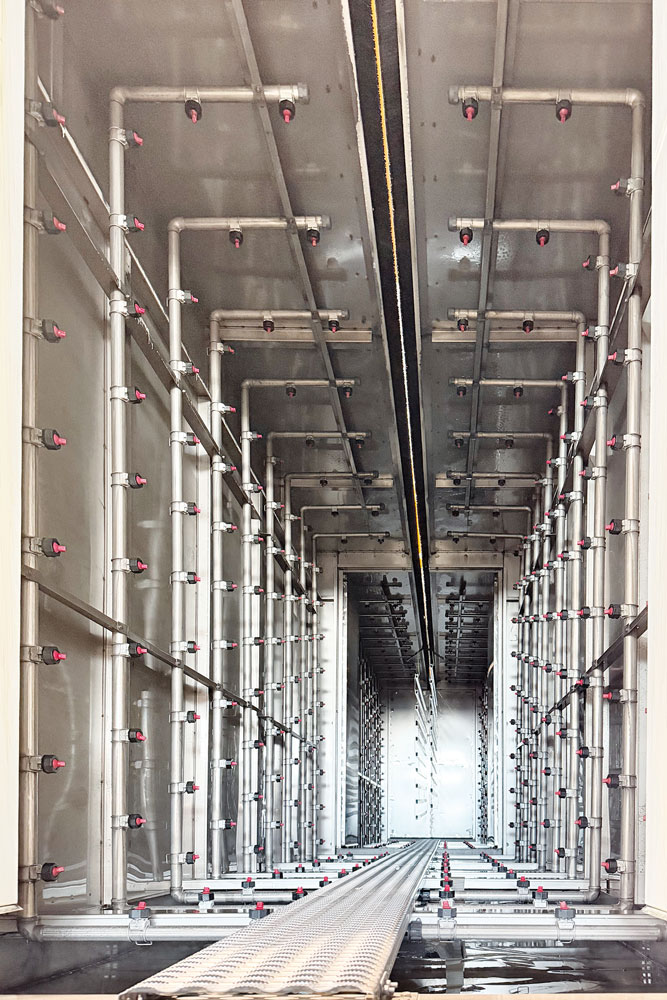 Inside the spray pretreatment tunnel with a tricationic phosphating cycle developed in collaboration with NoxorSokem. © ipcm®
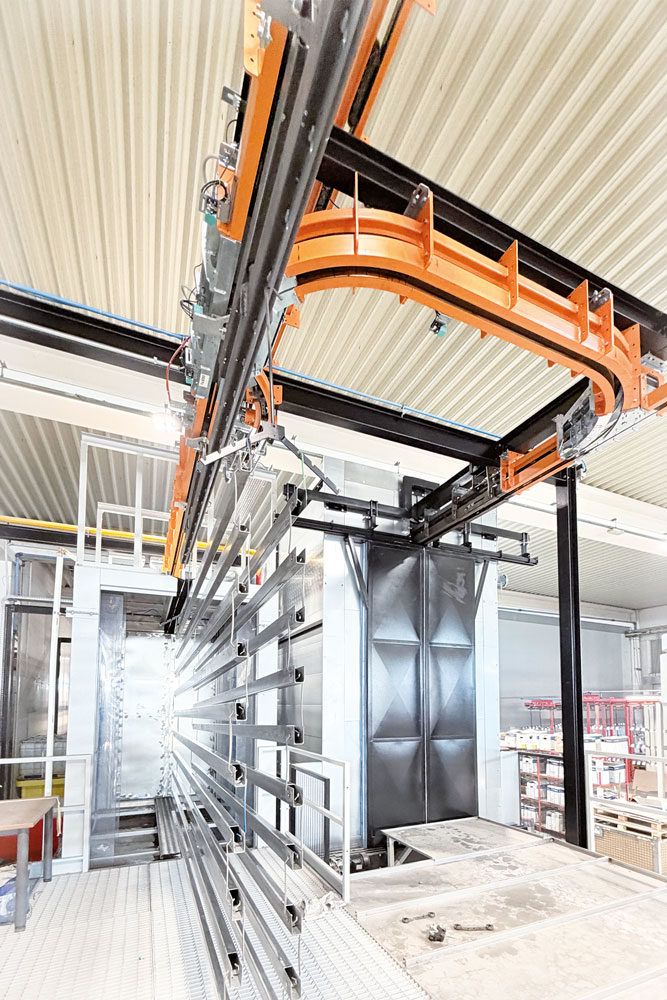 Parts exiting the passivation product spraying stage, ready to enter the drying oven. © ipcm®
Thanks to this cycle, Painter can handle corrosion categories comparable to C3 according to ISO 12944 and, when using specific two-coat cycles with a zinc-rich epoxy primer or a cataphoretic primer, to achieve performance levels comparable to C4 and C5, respectively, in the framework of Qualisteelcoat specifications, which standardise liquid, powder, cataphoresis, and anaphoresis coating, unlike ISO 12944, which only regulates liquid systems. Painter, which has an in-house quality control laboratory equipped with a neutral salt spray chamber to monitor on a daily and systematic basis process parameters and product quality, is now working to expand the number of Qualisteelcoat-approved cycles in 2026, including not only cataphoresis + powder combinations but also powder-only treatments on galvanised and hot-dip galvanised substrates.
The new powder coating plant designed for energy efficiency
Euroimpianti designed this plant to be simple, flexible, and highly efficient. Its configuration consists of a linear sequence: loading station, pre-treatment section, drying oven, coating booth, hot-air pre-heating chamber, curing oven, and unloading station. The power and free conveyor supplied by Railtechniek features 3 concentric loops interconnected at the coating booth. This solution allows managing different cycles within the same production day without compromising quality or productivity:
- a main loop devoted to the complete cycle from raw to finished parts, including chemical pre-treatment, powder application, and oven curing;
- a second, smaller loop reserved for products already subjected to cataphoresis, which bypass pre-treatment and enter the booth directly;
- a third, even more compact loop designed for two-coat cycles, with optimised booth-oven-booth transitions.
This plant architecture thus maximises the use of the coating booth and ovens, reducing downtime and increasing operational flexibility, a fundamental aspect for a contractor working on orders that vary in size, volume, and quality requirements.
Along the conveyor line there are several stations that, when required, allow the necessary sealing and masking operations to be carried out directly in-line and, at the same time, enable process control across its different stages. The plant management system is interconnected with Industry 4.0 information systems and, thanks to load cells and the powder weighing system, enables real-time data collection, which is essential for optimal plant operation. In this context, the implementation of the system has been planned with tools that will allow 3D mapping of the treated material and, with the support of AI, the automatic determination of the painted surface area in square metres.
Another interesting feature is the passive pre-heating system installed between the booth and the curing oven. Through a dedicated bell chamber, the heat escaping from the oven when its doors open is used to stabilise the powder applied to the workpieces before curing, avoiding colour contamination among batches. This measure reduces the risk of powder particles being displaced by air currents generated when the oven doors are opened and contributes to both coating aesthetics and overall energy recovery.
“The system also meets the requirements for Industry 5.0-related incentives,” comments Eleonora Piccoli. “In collaboration with a technical firm specialising in energy efficiency, we compared it with other similar plants to quantify the actual energy savings we could achieve with this investment in proportion to the increase in our production volumes. Its heat recovery and reuse system, as well as the use of EcoFusion insulating and sound-absorbing panels for the pre-treatment tunnel, clearly play an important role in terms of efficiency.”
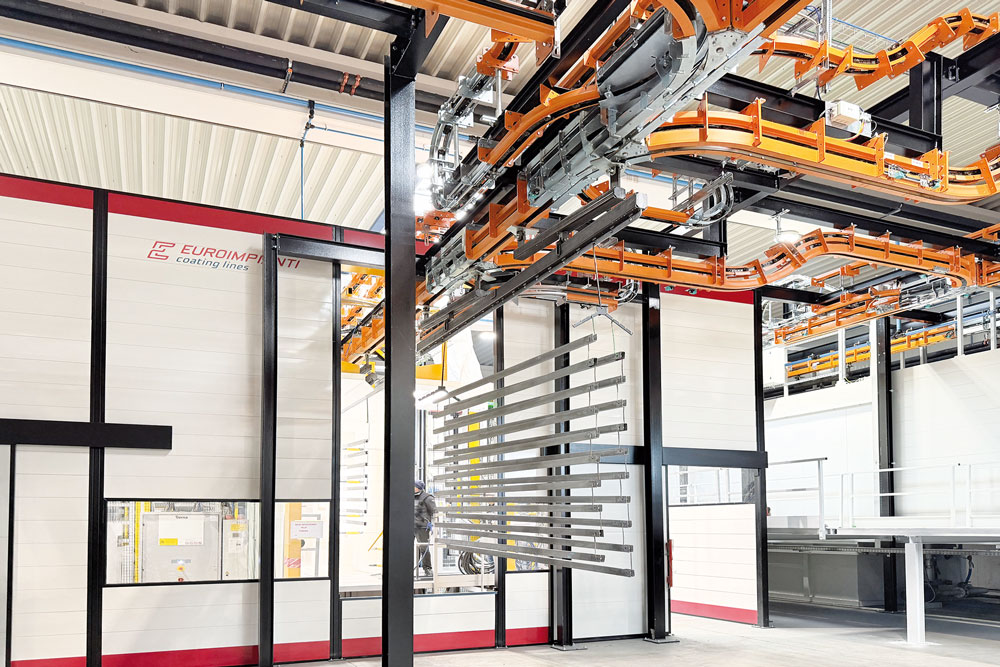 The entry of parts into the Gema powder coating booth, installed in a closed and segregated area to safeguard finishing quality. © ipcm®
The application system: dense phase and a 3D laser system for process stability
The coating booth is one of the most innovative features of the new system. It was manufactured by Gema, on which Painter has always relied for all its lines. “We chose to maintain a single supplier for all our application systems with standardisation, streamlined maintenance, and operational continuity in mind,” indicates Stefano Piccoli, “not to mention the value of the customer service and technical support we consistently receive from TecnoSpray (Pordenone), Gema’s distributor for our area.”
“The booth supplied to Painter is a rectangular BA04 model, equipped with 2 separate entry and exit platforms sized to handle even large and complex-shaped workpieces. It features 16 GA04 automatic guns (8 on each side) mounted on last-generation 3D reciprocators, plus 2 manual guns for pre- and post-finishing, i.e. 18 guns in total,” illustrates Marco Peduzzi, area manager at Gema Europe. “The heart of its application system is the Gema OC10 one-tank dense-phase powder centre, equipped with AP02 pumps and integrated All-In-One control units. The guns operate at 110 kV and 110 µA and are interconnected via the CM40 system, allowing integration with the company’s systems in line with Industry 4.0 parameters.”
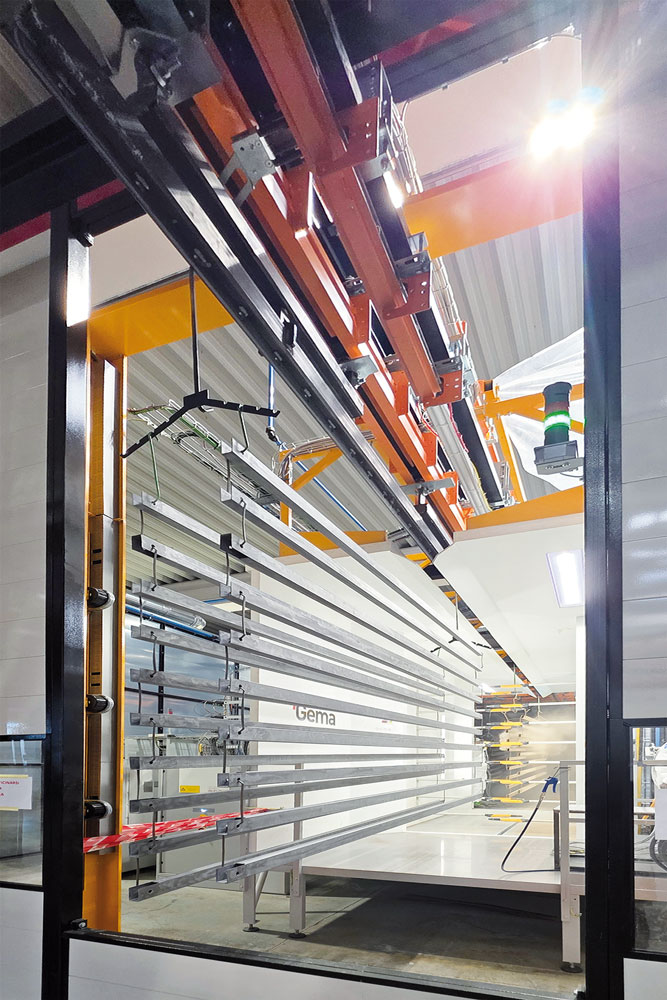 The parts pass through Gema’s Dynamic Contour Detection laser scanner system, which ensures greater coating precision, increasing transfer efficiency and quality. © ipcm®
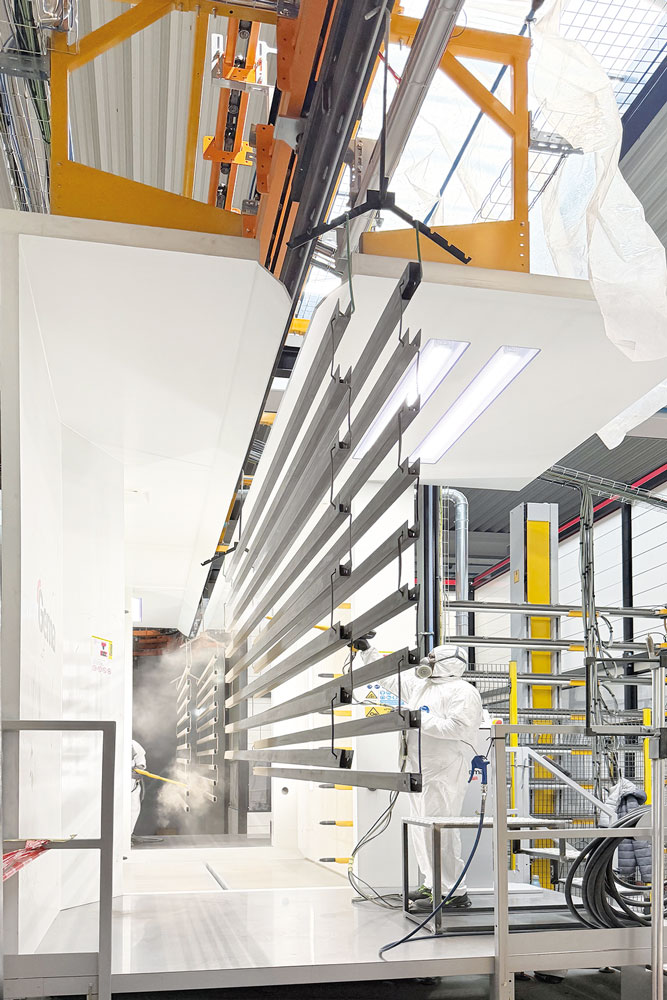 The booth is equipped with pre- and post-touch-up platforms. © ipcm®
“From an operational standpoint, the adoption of the dense phase technology marked a significant qualitative leap forward compared to the traditional Venturi systems used in the plants already in operation at Painter. Although it is difficult to make a direct comparison in terms of consumption, as this is a completely new line that has been in operation since September 2025, we have achieved clear benefits in terms of quality, process stability, and ease of management,” comments Enrico Pontoglio.
“Dense phase allows for more stable and controlled powder feeding, reducing particle fragmentation and improving transfer efficiency. This translates into greater thickness uniformity, superior aesthetic results even on large surfaces or complex geometries, and a significant reduction in manual touch-up operations. In combination with the Dynamic Contour Detection system, the dense phase technology enables dynamically adapting the application operations to the dimensional and morphological variations of parts, further improving coating quality, reducing waste, and limiting the need for post-finishing to the benefit of operators.” Finally, another benefit noted by Painter concerns colour change management: non-conformities related to colour contamination or ineffective booth cleaning have been virtually eliminated, a crucial aspect when performing frequent colour changes.
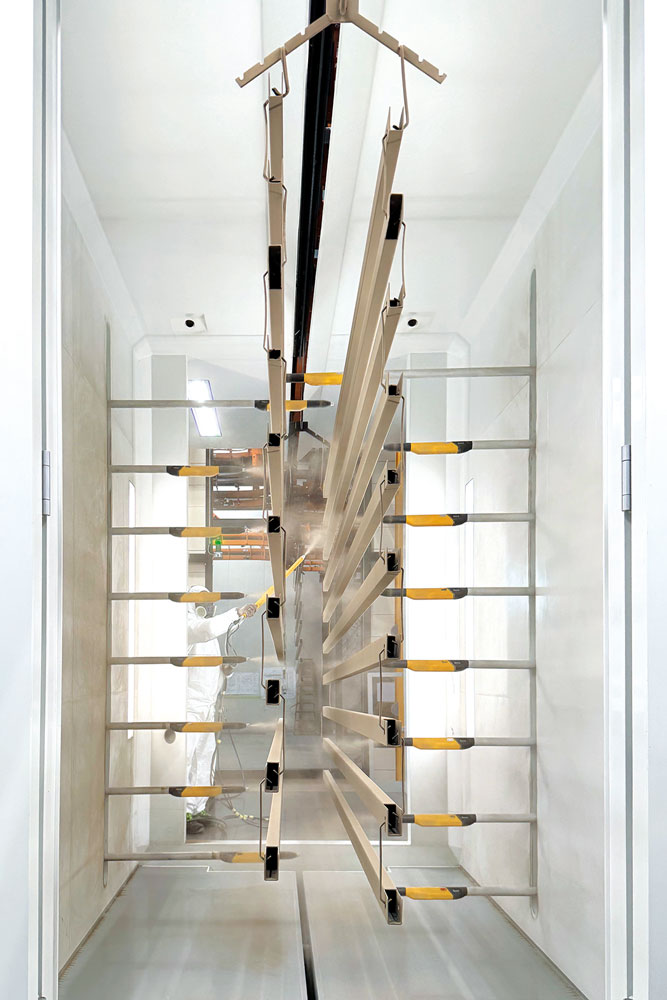 The 16 Gema GA04 automatic spray guns are mounted on latest-generation 3D reciprocators. © ipcm®
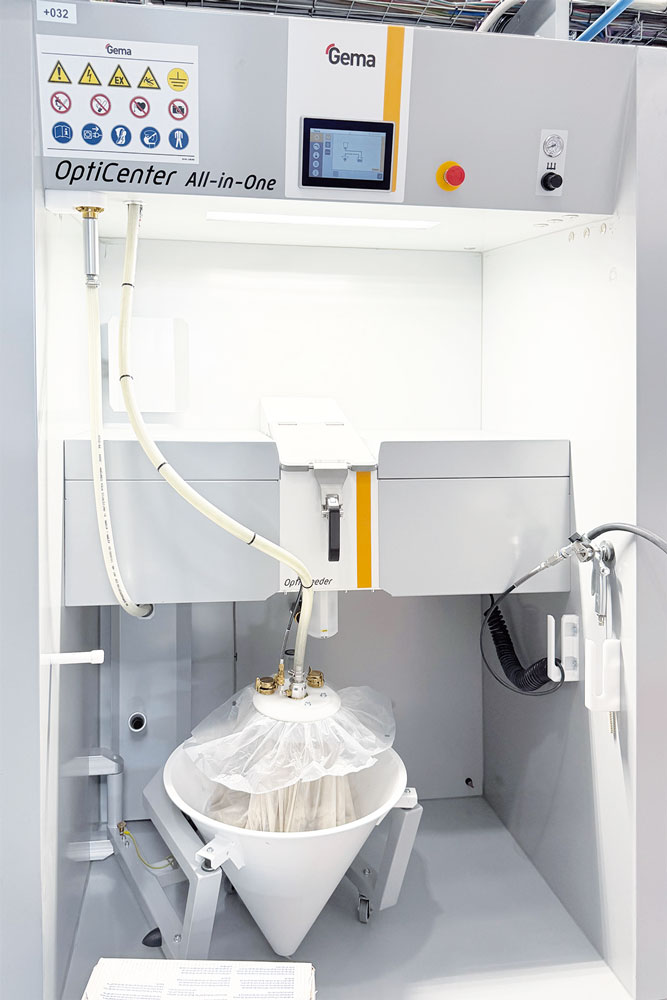 The Gema OC10 powder centre. © ipcm®
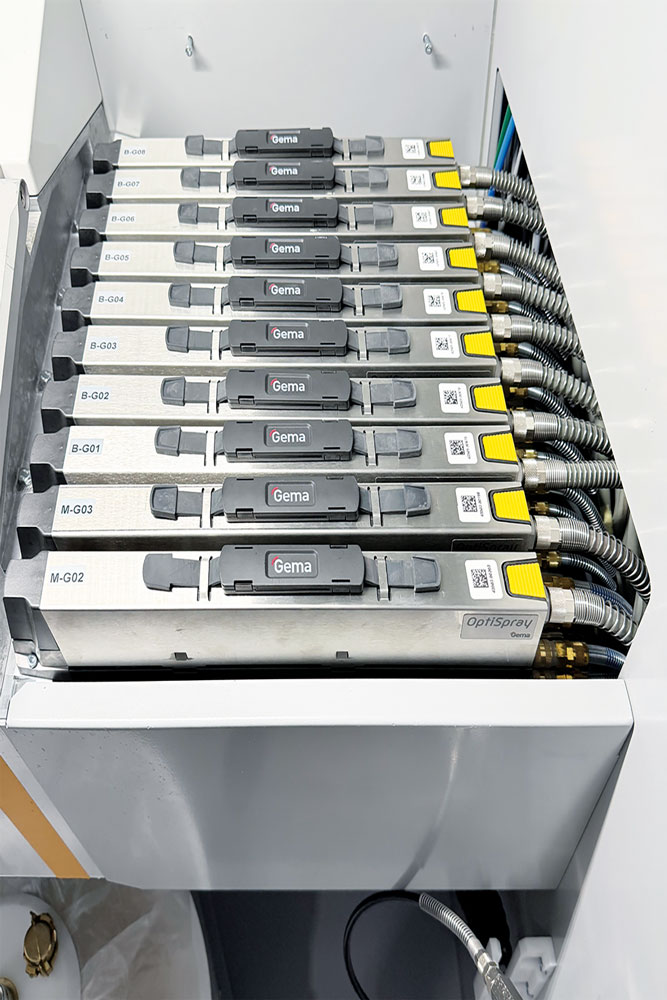 Gema AP02 pumps with Smart-In-Line technology. © ipcm®
Water treatment and demineralisation at the service of quality
To support the new powder coating plant, Painter also invested in upgrading its water treatment systems. The line is currently served by 2 demineralisation plants supplied by Saita (Limena, Padua, Italy): one with a capacity of 2,000 litres/hour devoted to managing demineralised water for the Nebula system, and one with a capacity of 6,000 litres/hour designed to control the conductivity of tanks fed by mains water.
“This configuration allows us to maintain consistent process water quality (with conductivity values below 30 microsiemens) even with high production volumes, while also reducing water consumption. Thanks to the regeneration cycles, pollutants are concentrated in smaller volumes of water, streamlining environmental management and improving our processes’ overall sustainability,” comments Pontoglio.
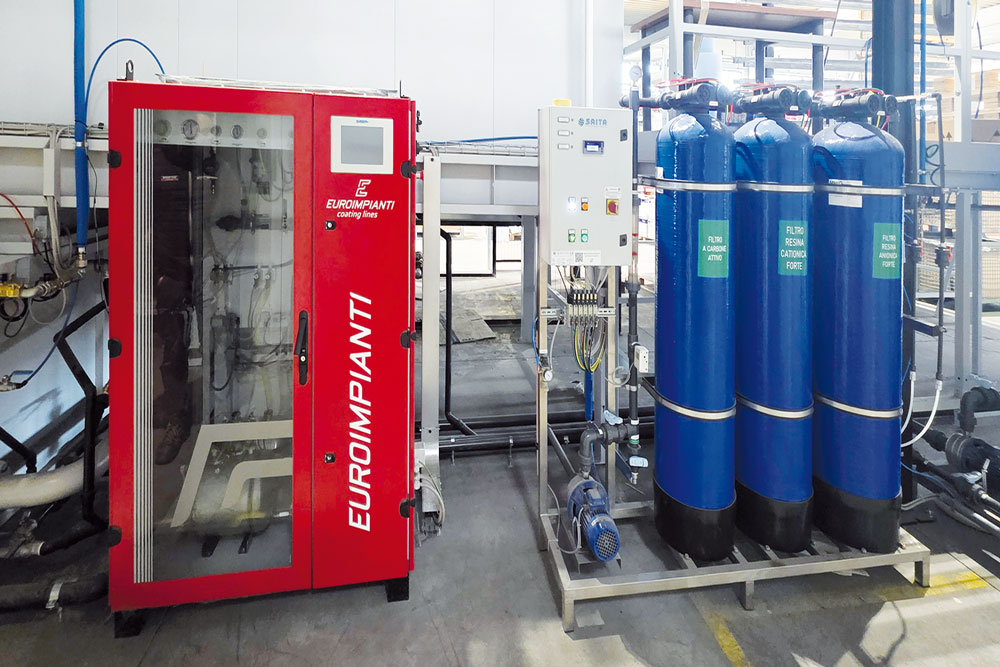 On the left, Euroimpianti’s Nebula system for atomising always-fresh passivation product; on the right, the 2,000-litre/hour Saita demineraliser dedicated to supplying demineralised water for the Nebula system. © ipcm®
“A particularly significant aspect is the stability of performance observed in the first months of plant operation: despite sustained production rates and long periods of uninterrupted operation, both the pre-treatment tanks and the demineralisation systems have maintained constant parameters, benefiting the final quality of our coating results. Saita is one of our loyal suppliers: our other 2 powder coating lines are also equipped with their demineralisation systems.”
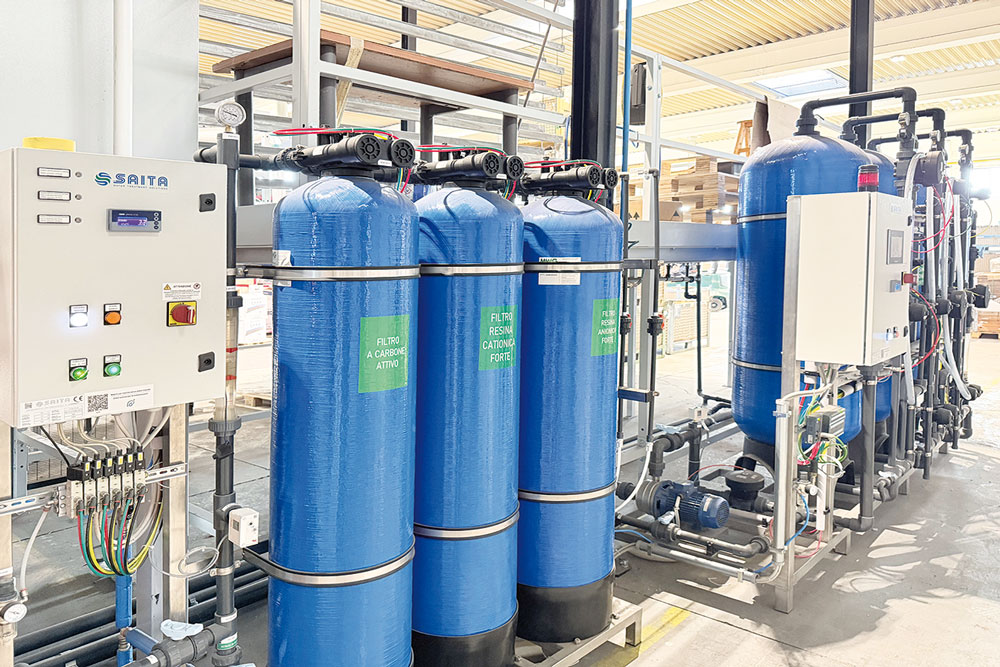 The second Saita demineraliser, with a capacity of 6,000 litres/hour, used to control the conductivity of tanks supplied with mains water. © ipcm®
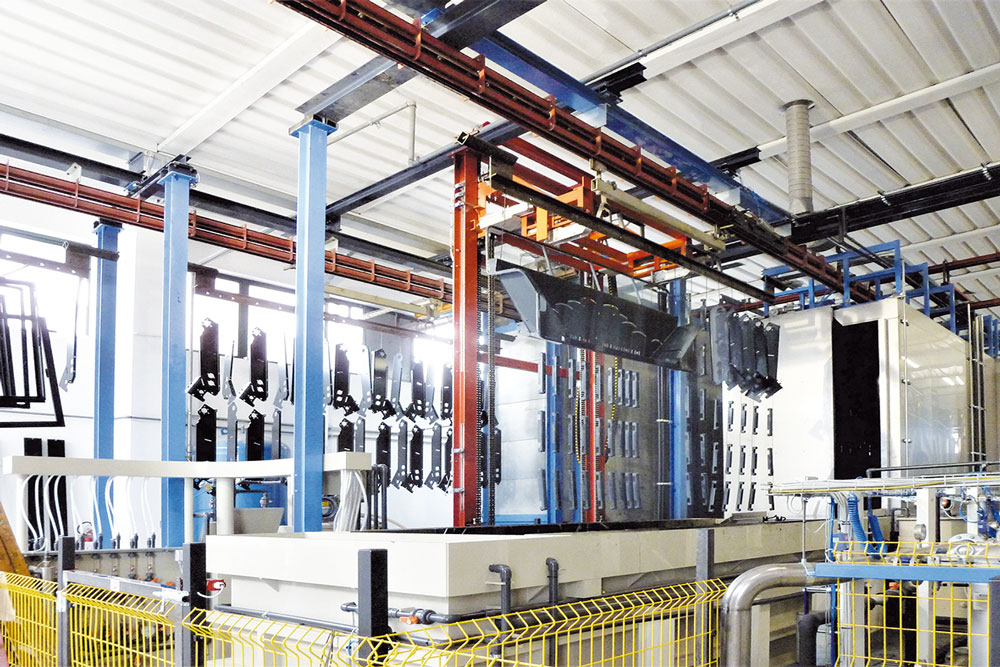 The cataphoresis tank has been optimised with membranes, bag filters, and new dialysis cells supplied by Condoroil Stainless. © Painter
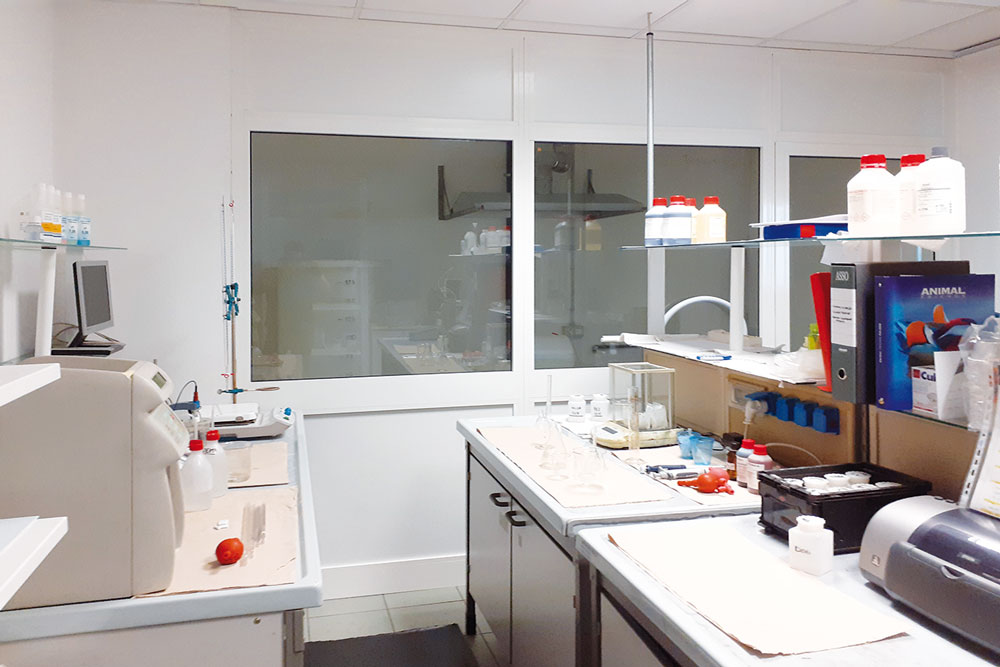 Painter has an in-house quality control laboratory equipped with a neutral salt spray chamber. © Painter
A technological platform for the future
The path taken by Painter is proof that it is possible for a coating contractor to build a solid, long-term industrial model through consistent investment in technology, systems, and skills. The combination of robust pre-treatments, flexible plants, new-generation application devices, and constant attention to water quality and process stability enables this company to respond to increasingly complex customer requirements and position itself as a reliable partner for highly technical applications. In a market where efficiency, sustainability, and quality are key to remaining competitive, Painter has chosen to invest heavily, thus building a technological platform that can support its future growth and help it confidently tackle the challenges of the coming years.